Patrocinado
Human Resources Management Software Market Trends Include AI Assistants Skills And Employee Self Service
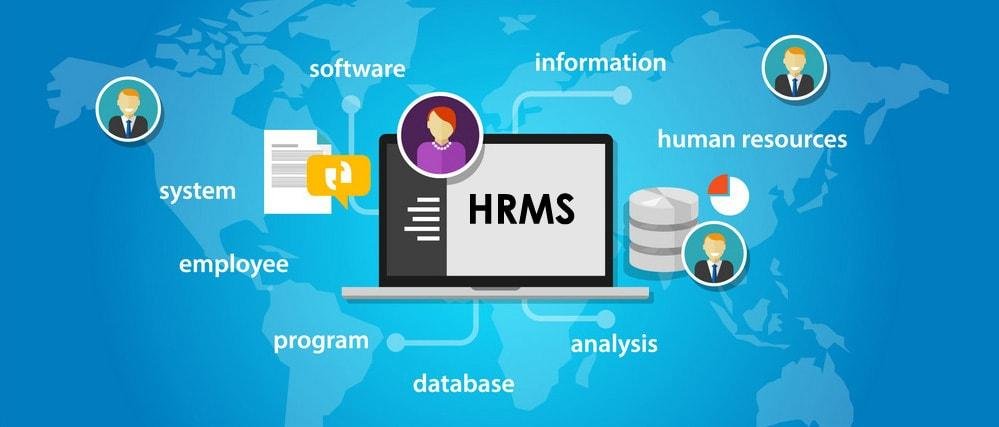
The Human Resources Management Software Market Trends show strong momentum toward employee-centric, mobile-first experiences. Employees increasingly expect to manage HR tasks the same way they manage banking or shopping—quickly, on phones, with clear status updates. This drives improvements in self-service for leave, benefits, payroll documents, and onboarding tasks. Another major trend is skills-based talent management. Organizations are building skill profiles, mapping roles to competencies, and using internal mobility tools to match employees to projects and openings. AI is also emerging as a trend driver, supporting candidate matching, resume screening assistance, and HR helpdesk chat. However, adoption depends on governance, bias controls, and explainability. Analytics trends include more real-time dashboards and predictive insights for turnover, headcount planning, and labor cost management. These trends reflect HR’s shift from administration to strategic workforce enablement.
Recruiting and onboarding trends emphasize speed and candidate experience. HRMS platforms are integrating scheduling, automated communications, and digital document signing to reduce drop-off. Background checks and identity verification integrations are becoming more standardized. Performance management trends move away from annual reviews toward continuous feedback, goal tracking, and development conversations, though organizations differ in preference. Learning trends include microlearning, skills pathways, and curated content marketplaces. Time and attendance trends include better scheduling optimization, geofenced clock-ins, and compliance rules for breaks and overtime. Benefits trends include guided enrollment and decision support, helping employees choose plans. Multi-country workforce trends are driving demand for localized payroll, compliance reporting, and support for contractors and gig workers. In short, trends are pushing HRMS from a record-keeping system into a workflow platform that supports the employee lifecycle end to end.
Technical trends include cloud migration, API-first integration, and stronger security features. Organizations want faster updates and lower IT overhead, which favors SaaS deployment. Integration marketplaces are expanding, enabling connections to finance systems, collaboration tools, and specialized HR point solutions. Data privacy trends include stricter controls, retention policies, and consent management. Role-based access and audit logging are increasingly treated as baseline requirements. Another technical trend is automation through workflows and approvals, reducing manual HR intervention. HR service delivery is trending toward ticketing systems and knowledge bases embedded in HRMS, enabling consistent responses and better tracking of employee issues. These trends reduce the burden on HR teams and improve employee satisfaction. However, complexity can increase if organizations customize too heavily. Trend-aligned implementations favor configurable workflows that can be maintained without constant consulting support.
Future trends likely include deeper AI copilots and more personalized employee experiences. AI may summarize performance feedback, suggest learning paths, and surface policy answers with citations to internal documents. Workforce planning may become more dynamic, combining skills, capacity, and project pipelines. Pay transparency and compliance reporting demands may also grow, requiring better compensation analytics and documentation. As global hiring continues, HRMS vendors will compete on localization, compliance automation, and cross-border payroll support. The overall trend direction is toward HR platforms that are simpler to use, more automated, and more insight-driven. Organizations that adopt these trends responsibly—balancing automation with fairness and privacy—will build stronger employee experiences and more agile workforce operations.
Top Trending Reports:
Categorias
Leia mais
Over the past weekend, blockbuster hits like “Ocean’s Eleven” and “Monsters, Inc.” dominated international box offices, while more serious films such as “A Beautiful Mind,” “Black Hawk Down,” and “Ali” garnered varied audience responses. “Ocean’s Eleven” achieved a global gross of $183.1 million, overtaking its...
Компания electronic mushroom, являющаяся партнером Moonton и действующая в СНГ с 2019 года, традиционно выступит организатором сезона по мобильной игре «Mobile Legends: Bang Bang». В рамках турнира запланировано три основных дивизиона: регулярные рейтинговые состязания, которые пройдут дважды в неделю до конца текущего года; любительские лиги с двумя сезонами и общим призовым фондом...
Innovative solutions are transforming dementia care globally, with the Dementia Care Product Market forecast reflecting strong growth opportunities. AI-powered monitoring systems, wearable devices, and smart therapeutic tools are streamlining caregiving and improving patient outcomes. Manufacturers are focusing on cost-effective, user-friendly solutions, enabling both hospitals and...
In recent years, the streaming landscape has shown how unpredictable it can be, with many original series facing abrupt cancellations or disappearing entirely from platforms, leaving fans in the dark. Fortunately, a hidden gem from HBO Max that had been without a streaming home for some time has now found a new platform—Netflix. As part of Netflix’s ongoing strategy of acquiring...
Many of us find the idea of hacking intriguing, and a recent event has certainly stirred the cybersecurity community. StrongWebmail's CEO, Darren Berkowitz, issued a bold challenge offering $10,000 to anyone who could infiltrate his email account and reveal upcoming schedule details. The company's focus lies in voice-based identity verification, a method intended to bolster online security by...